Custom Software Development
Internal tools, portals and platforms shaped around your actual workflow — not a generic product you have to work around.
DetailsLoading…
Software & technology partner · Nairobi, Kenya
Pentacom Systems designs, develops, integrates and supports digital systems for organisations in Kenya, across Africa, and internationally. We start with how you operate, then build technology that can be run, secured and improved over time.
Trusted to build the public systems organisations actually publish — including Ubumwe Schools, Crown Dental Clinic, Uplands Animal Feeds, Cryosoft, Premar Systems and other Kenyan businesses whose work is shown on this site.
What we do
Eight services, grouped around building, connecting, modernising, optimising and protecting systems. We only take work we can stand behind.
Internal tools, portals and platforms shaped around your actual workflow — not a generic product you have to work around.
DetailsWebsites and web applications that are fast, accessible and built to convert enquiry into work.
DetailsConnect the systems you already use so data moves without re-keying, chasing or shadow spreadsheets.
DetailsSecurity that fits the size of the organisation: access, backups, hardening and policy people can follow.
DetailsBusiness outcomes
Clients come to us to remove friction, connect what is already paid for, and reduce the risk of running on informal systems.
Replace scattered tools and manual follow-up with a process the organisation can run the same way every week.
Stop re-entering the same records. Let finance, operations and customer data stay in step.
Move routine requests, approvals and reports off people's desks so attention goes to exceptions.
Give clients and citizens a clearer way to enquire, transact, track and get support.
Rebuild or wrap legacy software so it is safer to change, host and support.
Put access, backups, monitoring and maintainable code in place before they become an incident.
Work
These are live products and websites. We describe the problem and the system — not invented metrics.
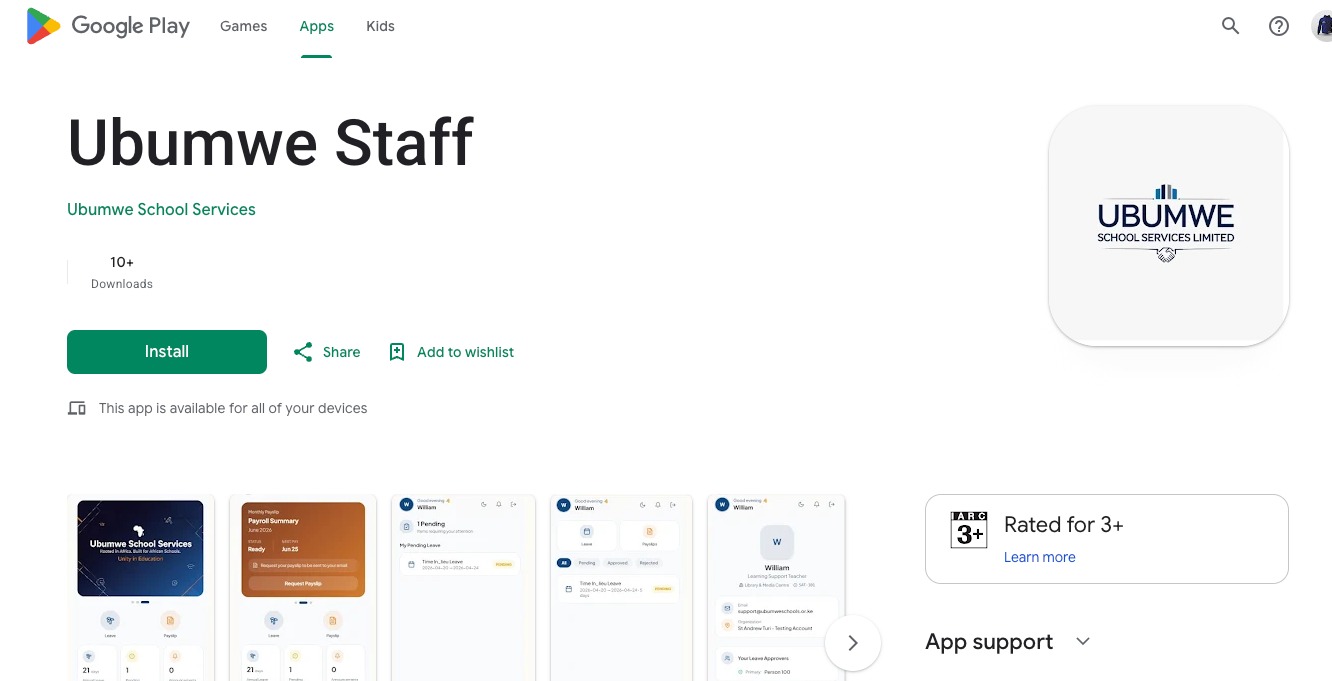
A staff mobile application for Android and iOS, built for people who work away from a desk.
View case study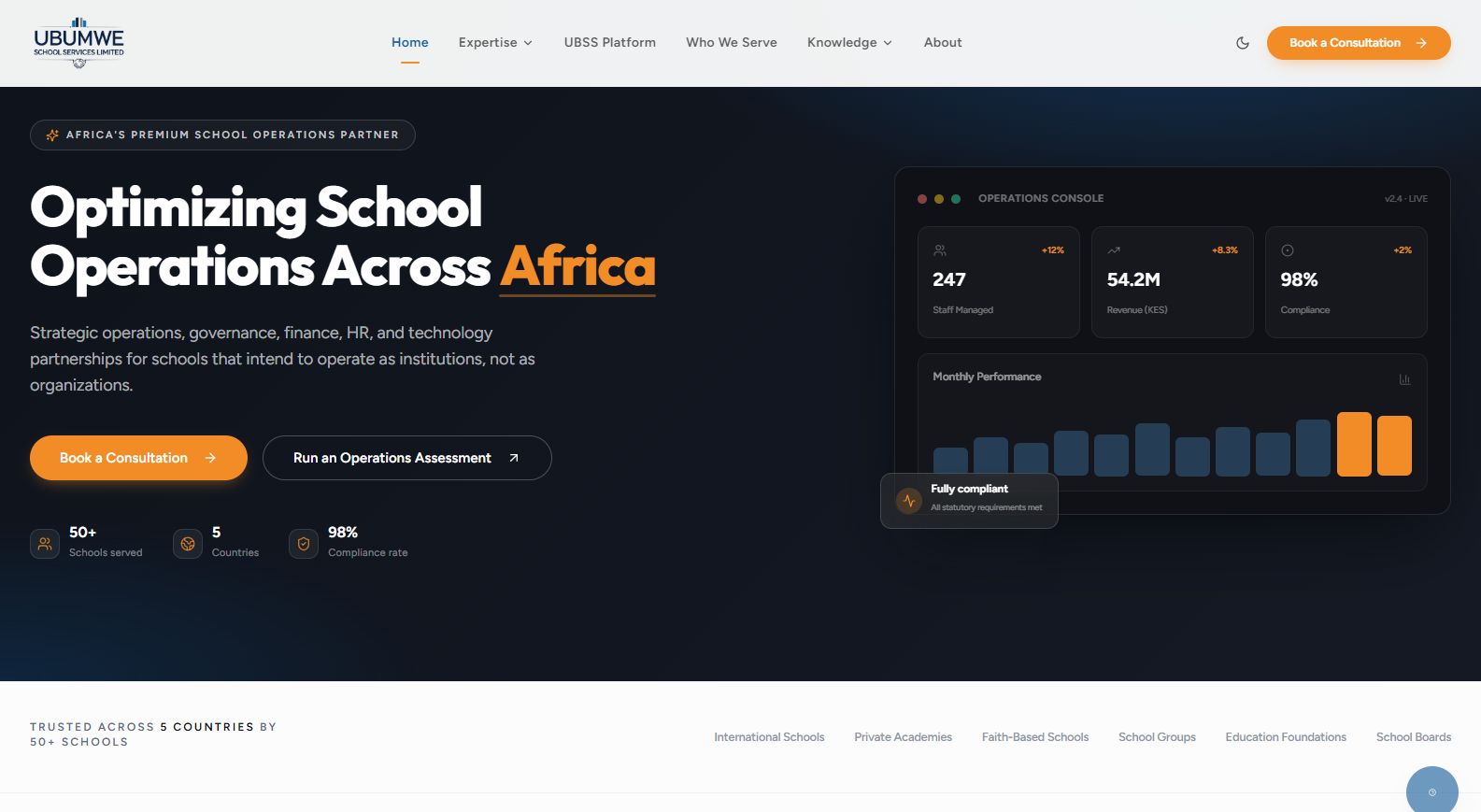
A public digital presence for an education organisation, giving families and partners a clear way to understand the school and make contact.
View case study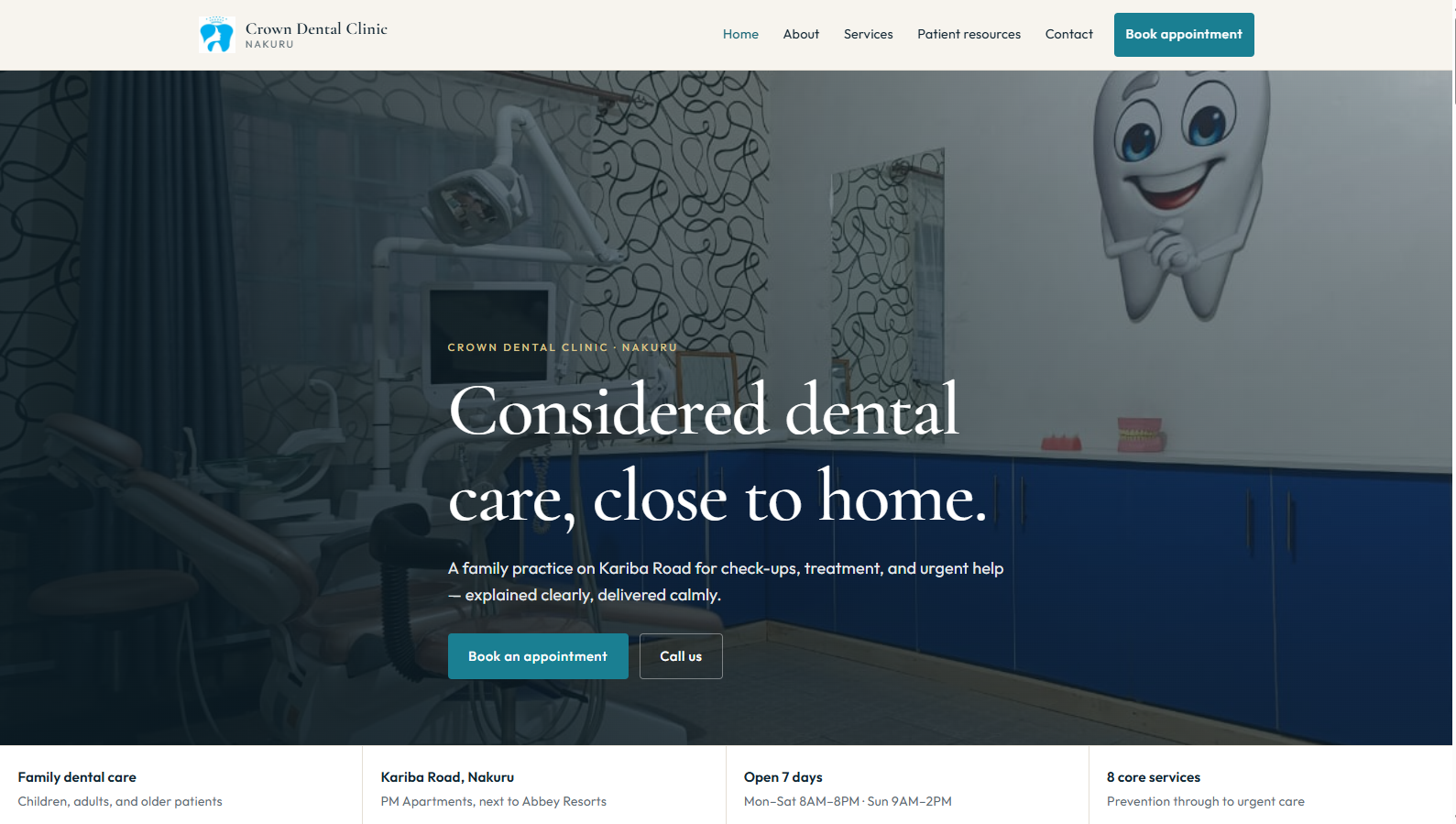
A clinic website that presents services clearly and gives patients a professional first contact with the practice.
View case study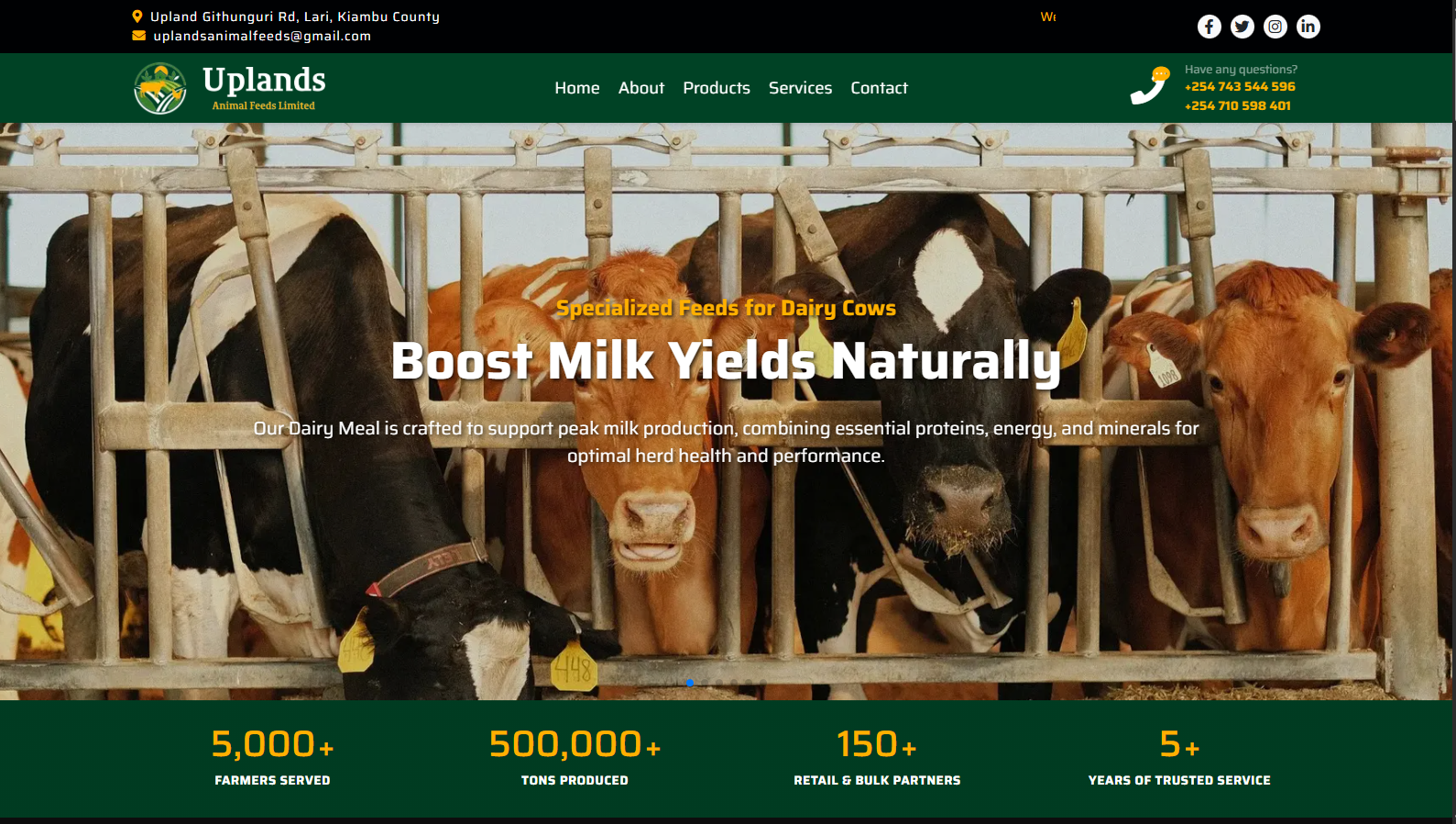
A product and company website for an animal feeds business, giving buyers a clearer view of what is offered and how to reach the team.
View case study
A hospitality website that presents the space, the stay, and a path to enquire or book.
View case study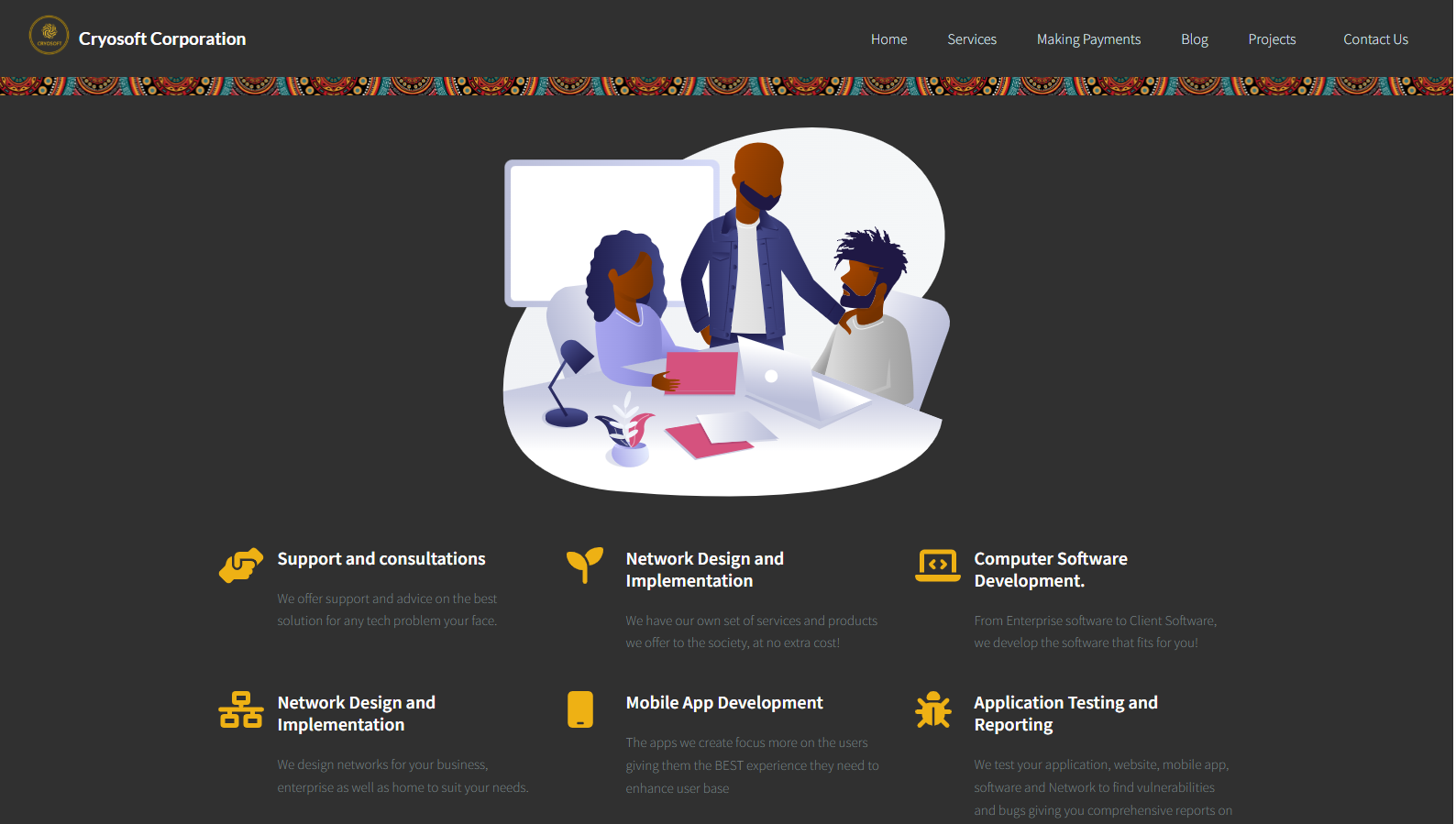
A technology company website presenting services, products and a path to engagement.
View case studyIndustries
We support organisations in these environments. We do not list a sector unless the work involves the same class of operational problem.
Admissions, programmes, staff coordination and parent communication are often split across paper, WhatsApp and disconnected sites.
Patients need a clear first contact. Practices need a public presence that is calm, accurate and easy to use on a phone.
Production businesses are often stronger on the factory floor than online, so serious buyers still have to ask around.
Guests decide from photographs, clarity and trust. A weak site loses the booking before a conversation starts.
Service businesses that grow through relationships still need a public address that explains the work when someone looks them up.
Buyers still walk in, but they look the business up first. A missing or careless site costs trust before the visit.
How we work
Collaboration, transparent progress, iterative delivery, and security as a habit — without methodology theatre.
We learn how the organisation actually works: users, constraints, current systems and what would count as a good result.
Scope, architecture, risks and a delivery plan you can stand behind — including what we will not build yet.
Journeys, interfaces and data models that match real staff and customer behaviour, not an idealised process map.
Software in focused releases, with visible progress, code review and room to adjust when the work reveals something important.
Go-live with testing, access, backups, monitoring and a handover the operating team can use.
Support, hardening and iteration after launch. Software earns trust in production, not at the demo.
Engineering
Stack choices support the work. They are not the message.
We design for the next few years of change, not a rewrite the moment a new requirement appears.
Access, data handling and hosting choices are part of the build, not a polish pass at the end.
Systems should connect cleanly. We avoid trapping operational data inside a single interface.
Reviews, automated checks, CI/CD and monitoring so the product remains operable after we leave the room.
We pick tools the organisation can host, hire for and support — not a stack that only looks modern.
Least-privilege access, backups that can be restored, and clarity about where information lives.
Why Pentacom
We start with the operating problem. Code is the means, not the pitch.
Clear architecture, maintainable code and delivery you can follow without a translator.
We understand African operating realities and deliver to the standard international teams expect.
Discovery, build, launch and support sit with one partner, so accountability does not evaporate at go-live.
Access, backups, testing and monitoring are part of how we work, not optional extras.
We prefer systems that still make sense in two years, with a team that remains available when they need to change.
Insights
Short notes for people who have to approve technology spend and live with the result.
A spreadsheet is a fine system until it is not. Here is how to tell whether a workflow deserves software, and what to define before anyone writes code.
Most incidents in growing organisations start with shared passwords, untested backups and unclear access — not with sophisticated attackers.
Good delivery is mostly good preparation. This is the information that shortens discovery and keeps a project honest.
Tell us what you are trying to improve. We will help you determine the right way forward — whether that is a build, an integration, a review, or a decision not to build yet.
Start a conversation